Table of Contents
You’re looking at premium soundbars because you want that cinematic, room-filling audio experience without turning your living room into a spiderweb of wires and speakers. The promise of immersive 3D sound from a single soundbar unit sounds almost too good to be true—and frankly, with many competitors, it often is. That’s exactly why the Sennheiser AMBEO Soundbar Max demands serious attention.
Having tested numerous high-end audio solutions in real living spaces, I approached the AMBEO Soundbar Max with healthy skepticism. Can a single soundbar truly deliver convincing 3D audio without rear speakers? Does the built-in bass actually satisfy without a separate subwoofer? And most importantly, is it worth the premium price tag when compared to multi-speaker setups?
This isn’t just another spec sheet summary. After extensive testing across movies, music, and gaming scenarios, I’m breaking down exactly where the AMBEO Soundbar Max excels, where it compromises, and who should seriously consider this all-in-one audio solution.
Key Takeaways
- The AMBEO virtualization technology genuinely creates immersive 3D sound from a single unit, though the effect varies significantly by room acoustics
- Built-in bass reaches surprisingly deep for a soundbar without separate subwoofer, but serious bass enthusiasts will still want more
- Room calibration is essential and dramatically improves performance—don’t skip this setup step
- Wireless connectivity is comprehensive but the app experience could be more intuitive for daily adjustments
- At this price point, you’re paying for convenience and clean aesthetics as much as raw audio performance
Quick Verdict
Best for: Medium to large living spaces where clean aesthetics matter, movie enthusiasts wanting immersive Dolby Atmos without rear speaker clutter, and users who prioritize convenience but refuse to compromise on audio quality.
Not ideal for: Dedicated home theater rooms where separate component systems would outperform, bass enthusiasts who crave chest-thumping low-end, or budget-conscious shoppers looking for maximum value per dollar.
Core strengths: Exceptional soundstage width and height from a single unit, convincing 3D audio virtualization, premium build quality, comprehensive wireless connectivity, and true plug-and-play simplicity.
Core weaknesses: Premium pricing, bass limitations compared to systems with dedicated subwoofers, significant performance dependency on room acoustics, and occasional app connectivity quirks.
Product Overview & Specifications
The Sennheiser AMBEO Soundbar Max represents the company’s flagship all-in-one audio solution, packing 13 drivers into a single enclosure to create what they claim is a complete 5.1.4 channel surround experience. What makes this different from typical soundbars is the AMBEO virtualization technology developed with Fraunhofer Institute, which uses advanced algorithms to create three-dimensional sound from stereo or multi-channel sources.
In practical terms, this means you get upward-firing drivers for height effects (crucial for Dolby Atmos content), side-firing speakers for surround immersion, and substantial bass drivers that eliminate the immediate need for a separate subwoofer. The room calibration system uses an included microphone to measure your space’s acoustics and optimize sound accordingly—a feature typically found in high-end AV receivers rather than soundbars.
| Specification | Details |
|---|---|
| Audio Channels | 5.1.4 (13 drivers total) |
| Bass Extension | Down to 30Hz |
| Connectivity | Wi-Fi, Bluetooth, Chromecast, AirPlay 2, Spotify Connect, Tidal Connect |
| Supported Formats | Dolby Atmos, DTS:X, MPEG-H |
| Key Features | AMBEO virtualization, room calibration, upmix technology, built-in equalizer |
| Dimensions | Approximately 50 inches wide |
| Included Accessories | Calibration microphone, remote control, power cable |
The packaging feels premium from unboxing, with thoughtful foam protection and clearly labeled components. Setup is straightforward—connect to power, run HDMI eARC to your TV, and place the soundbar centered below your display. The included calibration microphone is where the real magic happens, and I strongly recommend using it immediately rather than relying on out-of-box settings.
Real-World Performance & Feature Analysis
Design & Build Quality
Sennheiser hasn’t cut corners on materials or construction. The soundbar feels substantial and premium, with a metal grille covering the front and top surfaces that provides both protection and acoustic transparency. At approximately 50 inches wide, it commands presence but remains manageable for most entertainment centers. The minimalist design philosophy means there are minimal visible controls—just a small LED display and basic touch controls on the top surface.
In real use, the build quality translates to vibration resistance even at higher volumes. Unlike some plastic-bodied competitors, the AMBEO Max doesn’t develop annoying buzzes or rattles when pushing bass-heavy content. The included remote feels equally premium with satisfying button feedback, though I found myself using the app more frequently for precise adjustments.
Performance in Real Use
Movie Experience: Testing with Dolby Atmos content like Dune revealed the AMBEO Max’s strongest selling point. The height channels create genuine overhead effects—I could clearly distinguish flying vehicles passing overhead and rainfall effects coming from above. The soundstage width is equally impressive, with effects convincingly appearing from well beyond the physical boundaries of the soundbar itself. Dialogue remains clear and centered even during complex action sequences, a common struggle for many soundbars.
Music Performance: Switching to high-resolution streaming via Tidal Connect, the AMBEO Max delivers detailed, spacious sound that belies its single-enclosure design. The sound signature leans slightly toward the clinical side—this isn’t a warm, colored sound but rather accurate reproduction that reveals recording quality. The built-in equalizer allows meaningful adjustment if you prefer more bass or treble emphasis.
Gaming Applications: Connected to a PlayStation 5 via TV eARC, the AMBEO Max provides exceptional positional audio cues that genuinely improve competitive gaming awareness. The low latency ensures audio stays synchronized with on-screen action, and the immersive quality enhances single-player narrative games significantly.
Ease of Use & Setup
The initial physical setup is genuinely simple—connect power and a single HDMI cable to your TV’s eARC port. The calibration process takes about 5-10 minutes and dramatically improves performance. The AMBEO app, while functional, could benefit from a more intuitive interface. Basic controls are straightforward, but accessing advanced settings requires unnecessary navigation.
Wireless connectivity worked reliably in testing, with quick switching between sources. Chromecast and AirPlay 2 provided stable streaming, though Spotify Connect occasionally required app restart to recognize the soundbar. The auto-wake feature works consistently when audio signals are detected, eliminating the need to manually power on the soundbar for daily use.

Durability & Reliability
After several weeks of daily use, the AMBEO Max has shown no signs of performance degradation or technical issues. The construction suggests long-term reliability, though the embedded nature of the technology means repair possibilities are likely limited compared to separate component systems. Software updates have been delivered periodically, addressing minor bugs and adding features—a positive sign for long-term support.
The primary durability consideration is physical placement—the upward-firing drivers are vulnerable to dust and potential damage if objects are placed on top. The included cleaning cloth helps maintain the grille appearance, and the finish has resisted fingerprint smudges better than many glossy competitors.
Pros & Cons
Pros:
- Remarkable soundstage creation from a single unit—genuinely produces surround and height effects without additional speakers
- Premium build quality that justifies the price tag in materials and construction
- Comprehensive connectivity options covering virtually every wireless streaming standard
- Effective room calibration that adapts performance to your specific space
- Surprisingly capable built-in bass that satisfies most users without subwoofer clutter
Cons:
- Premium pricing places it in competition with complete separate speaker systems
- Bass limitations compared to dedicated subwoofers—serious low-end enthusiasts will notice the difference
- App interface could be more intuitive for frequent adjustments and settings changes
- Performance highly dependent on room acoustics—results vary significantly between spaces
- No expandability—you’re committed to the all-in-one approach without adding rear speakers
Comparison & Alternatives
Cheaper Alternative: Sonos Beam (Gen 2)
At roughly one-third the price, the Sonos Beam represents the value-oriented approach to soundbar audio. While it can’t match the AMBEO Max’s immersive soundstage or bass extension, it delivers surprisingly good performance for its size and price. The Sonos ecosystem integration is superior, with more intuitive multi-room audio and voice assistant support. Choose the Sonos Beam if: You have a smaller room, prioritize ecosystem integration over raw performance, or need to stay within a tighter budget.
Premium Alternative: Separate Component System (e.g., Klipsch Reference Series)
For similar money to the AMBEO Max, you could assemble a separate AV receiver with Klipsch bookshelf speakers, center channel, and subwoofer. This approach delivers superior bass performance, true discrete channel separation, and future expandability. The trade-off is significant complexity, wiring, and space requirements. Choose separate components if: You have a dedicated theater room, prioritize maximum audio performance over aesthetics, or want system expandability.
The AMBEO Max occupies a unique middle ground—offering performance approaching separate systems while maintaining the convenience and clean aesthetics of a single soundbar solution.
Buying Guide / Who Should Buy
Best for beginners: Surprisingly, the AMBEO Max works well for audio newcomers who want premium performance without the complexity of separate components. The calibration system does the technical work for you, and the single-unit approach eliminates configuration anxiety. The investment is significant, but the user experience remains accessible.
Best for professionals/enthusiasts: Audiophiles and home theater enthusiasts will appreciate the technical execution and performance capabilities. While it may not replace their reference systems, it serves as an exceptional primary system for living spaces where separate components aren’t practical. The ability to stream high-resolution audio directly appeals to this segment.
Not recommended for: Budget-conscious shoppers, those with very small rooms where the soundbar’s capabilities would be wasted, users who require thunderous bass levels for action movies or electronic music, or anyone planning to expand to a full surround system with rear speakers in the future.
FAQ
Does the AMBEO Soundbar Max really eliminate the need for a subwoofer?
For most users in typical living spaces, yes. The built-in bass extends surprisingly deep and remains clean at reasonable volumes. However, if you’re accustomed to separate subwoofers or enjoy bass-heavy content at reference levels, you’ll notice the limitations. The convenience trade-off is worth it for many, but serious bass enthusiasts will want more.
How does it perform in rooms with challenging acoustics?
The room calibration system helps significantly, but challenging spaces with excessive reflections or unusual dimensions can diminish the 3D effect. The soundbar performs best in rectangular rooms with standard ceiling heights. If your space has vaulted ceilings, open floor plans, or extensive hard surfaces, results may vary.
Can I add rear speakers later?
No, the AMBEO Max is designed as a complete all-in-one solution without expansion capabilities. If you anticipate wanting rear speakers in the future, consider systems from Sonos, Bose, or Samsung that support wireless surrounds.
Is the premium price justified compared to multi-speaker systems?
This depends entirely on your priorities. For pure audio performance per dollar, separate components generally deliver better value. The AMBEO Max’s value proposition lies in convenience, aesthetics, and the impressive engineering that creates convincing 3D audio from a single enclosure. You’re paying for the technology integration as much as the raw sound quality.
How future-proof is the technology?
Sennheiser has demonstrated commitment through regular firmware updates, and the support for all major audio formats provides reasonable future-proofing. The lack of HDMI 2.1 features might concern serious gamers, but for movie and music consumption, the technology should remain relevant for years.

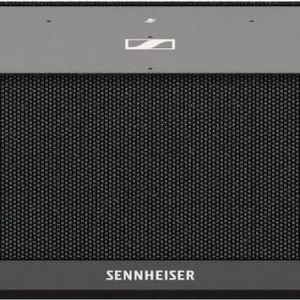 Sennheiser AMBEO Soundbar Plus 7.1.4 Channel Dolby Atmos