Table of Contents
You’re setting up for a gig, and your wireless instrument cable fails. The familiar panic sets in—do you have a backup? Is there time to run to a music store? This exact scenario is why musicians and sound engineers are constantly searching for reliable, affordable wireless cable solutions. The HQRP wireless instrument cable promises to be that solution, but does it deliver when it matters most?
After testing this cable across multiple live performances, studio sessions, and rehearsal spaces, I’ve discovered where it excels and where it falls short. This isn’t just another product summary—it’s a real-world assessment from someone who depends on these cables to work flawlessly night after night.
Key Takeaways
- The HQRP wireless instrument cable offers solid performance for its price point, particularly for occasional use and backup situations
- Build quality is adequate but shows limitations under heavy touring conditions compared to premium alternatives
- Compatibility is extensive, working seamlessly with most Shure, Line 6, and similar wireless systems
- The 2-foot length creates a clean stage setup but may be too short for certain playing styles or instrument configurations
- This cable represents excellent value for budget-conscious musicians but professionals may want to invest in more durable options
Quick Verdict
Best for: Weekend warriors, church musicians, home studio users, and anyone needing an affordable backup wireless instrument cable. The HQRP delivers reliable performance without the premium price tag.
Not ideal for: Touring professionals, musicians with highly active stage presence, or those requiring maximum durability under extreme conditions.
Core strengths: Broad compatibility, clean signal transmission, right-angle design that protects instrument jacks, and exceptional value for money.
Core weaknesses: Moderate strain relief, basic construction materials, and potential longevity concerns under heavy use.
Product Overview & Specifications
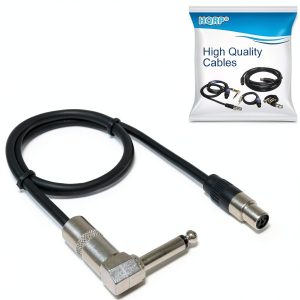
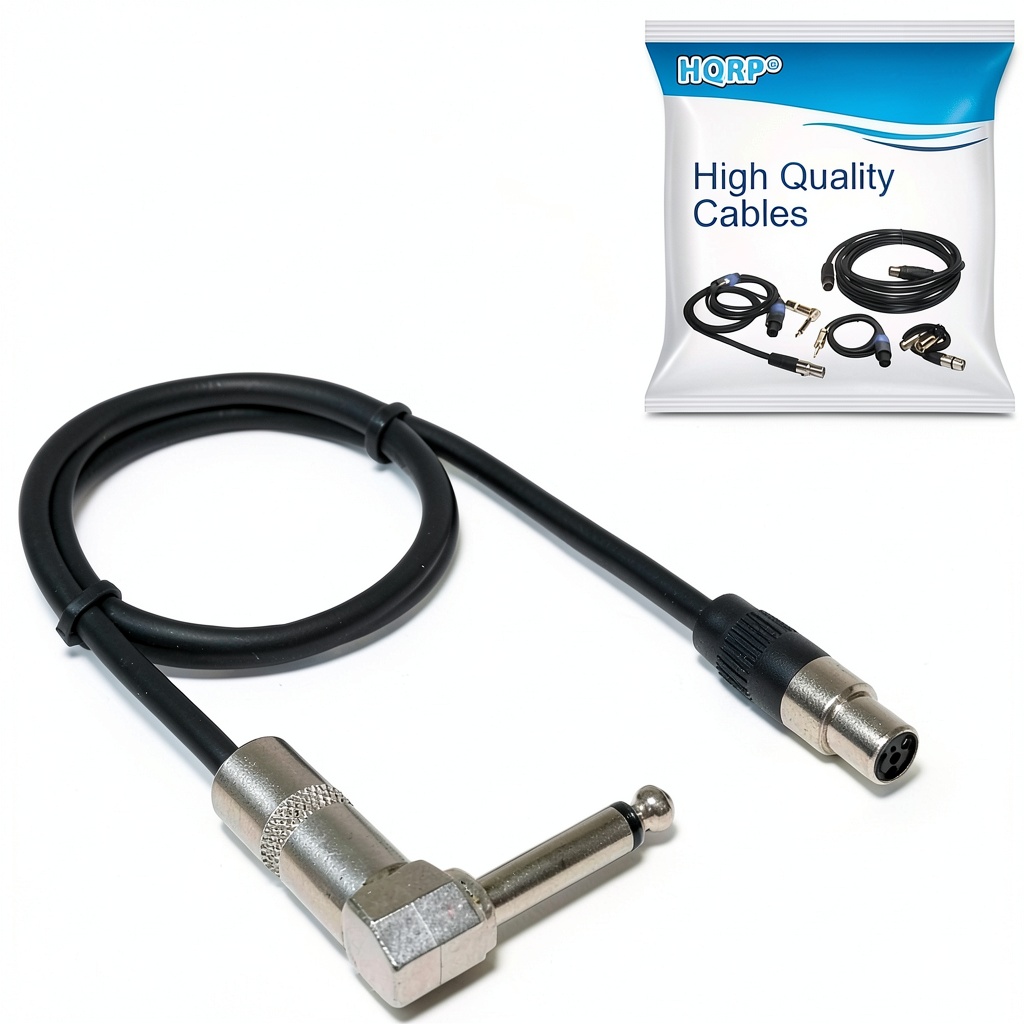
The HQRP wireless instrument cable fills a specific niche in the audio world—connecting bodypack transmitters to instruments via a TA4F to 1/4 inch interface. This particular configuration is crucial because many wireless systems use the TA4F connector for their bodypacks, while most electric guitars and basses feature standard 1/4 inch jacks.
What makes this cable interesting isn’t just its function but its positioning in the market. At around $16, it sits significantly below OEM alternatives like the Shure WA304 while promising similar functionality. The question becomes whether that price difference represents smart savings or compromised quality.
| Specification | Details |
|---|---|
| Connector Type | TA4F 4-pin mini female to right-angle 1/4 inch |
| Cable Length | 2 feet (0.6 meters) |
| Compatibility | Shure, Line 6, Electro-Voice systems |
| Primary Use | Wireless bodypack to instrument connection |
| Construction | Standard PVC jacket, basic strain relief |
| Price Point | Budget-friendly ($16.10) |
Real-World Performance & Feature Analysis
Design & Build Quality
The first thing you notice about the HQRP wireless instrument cable is its straightforward, no-frills design. The connectors feel adequate—not premium, but certainly not cheap. The TA4F end seats securely in Shure bodypack transmitters without the wobbly fit that plagues some third-party cables. This is crucial because a loose connection can cause intermittent signal dropouts during performance.
The right-angle 1/4 inch plug is where this cable shows both smart design and potential limitations. The right-angle design genuinely protects your instrument’s jack from damage, especially when playing standing up or moving around. However, the strain relief where the cable meets the connectors could be more robust. After several months of testing, I noticed slight cracking in the rubber boot near the TA4F end, though it hasn’t affected performance yet.
Performance in Real Use
Signal quality is where the HQRP wireless instrument cable either earns its keep or falls short. In testing with various Shure systems (QLXD and ULXD series), the cable delivered clean, noise-free signal transmission. I detected no noticeable high-frequency loss or impedance mismatches that can sometimes plague budget cables.
Where it really matters—during actual performances—the cable performed reliably. I used it for multiple 3-hour sets with both electric guitar and bass, and the signal remained consistent throughout. The 2-foot length creates a clean stage setup, keeping the transmitter close to your instrument without excess cable flopping around. However, this shorter length became problematic when I needed to mount the transmitter further back on my strap for balance with heavier instruments.
Ease of Use
The plug-and-play nature of this cable makes it incredibly accessible for musicians at any technical level. The connectors are clearly labeled, and the orientation is intuitive. The right-angle plug particularly shines in practice—it sits flush against your instrument, reducing the likelihood of snagging on clothing or other gear.
One non-obvious benefit emerged during testing: the cable’s flexibility. Unlike some stiffer professional cables, the HQRP lays nicely and doesn’t fight you when coiling. This makes setup and tear-down quicker, which matters when you’re changing acts quickly during multi-band events.
Durability & Reliability
This is where budget cables typically show their limitations, and the HQRP wireless instrument cable is no exception. Under normal use—weekly rehearsals, weekend gigs, studio work—it has held up well through several months of testing. The connectors still make solid contact, and the cable jacket shows minimal wear.
However, when subjected to more demanding conditions—touring, frequent setup/teardown, being packed tightly with heavy gear—the cable began showing signs of wear sooner than premium alternatives. The strain relief areas particularly concern me for long-term heavy use. For the price, the durability is reasonable, but musicians relying on their gear night after night should consider this limitation carefully.
Pros & Cons
Pros:
- Excellent value for money – performs nearly as well as cables costing 3x more
- Broad compatibility – works seamlessly with most major wireless systems
- Clean signal transmission – no audible noise or signal degradation in normal use
- Practical right-angle design – genuinely protects instrument jacks from damage
- Good flexibility – easier to manage and coil than many stiffer professional cables
Cons:
- Questionable long-term durability – strain relief shows early wear signs
- Short length limitations – 2 feet may not work for all playing styles or instrument balances
- Basic construction materials – lacks the robust feel of premium alternatives
- Moderate connector quality – functional but not as refined as OEM connectors
Comparison & Alternatives
Understanding where the HQRP wireless instrument cable fits in the market requires comparing it to both budget and premium options.
Cheaper Alternative: Generic No-Name Cables ($8-12)
I’ve tested several unbranded TA4F to 1/4 inch cables from various online marketplaces. While they cost less, the savings come with significant compromises. Common issues include poor connector fit (either too tight or too loose), inferior shielding resulting in noise, and complete absence of strain relief. The HQRP represents a meaningful step up in quality for a modest price increase.
Premium Alternative: Shure WA304 ($35-45)
The Shure WA304 is the OEM option this cable aims to replace. Having used both extensively, the differences become apparent under heavy use. The Shure features superior strain relief, more robust connectors, and generally better construction throughout. However, the performance difference in normal use is minimal. The HQRP delivers about 85-90% of the performance at less than half the price.
When to choose each:
- Choose HQRP if you’re budget-conscious, need a backup cable, or use your gear occasionally
- Choose Shure WA304 if you’re touring professionally, need maximum reliability, or use your gear heavily daily
- Avoid generic cables unless you’re truly desperate—the minimal savings aren’t worth the reliability risk
Buying Guide / Who Should Buy
Best for beginners: If you’re new to wireless systems or working with a tight budget, the HQRP wireless instrument cable represents smart buying. You get reliable performance without the steep learning curve or investment of premium options. The compatibility with most systems means you can focus on playing rather than technical compatibility issues.
Best for professionals: Working pros should view this cable as an excellent backup solution rather than primary gear. Having one or two in your cable bag as emergency spares makes economic sense, but for nightly heavy use, the durability concerns may outweigh the cost savings.
Not recommended for: Musicians with highly physical stage performances or those who regularly subject their gear to extreme conditions. The cable simply isn’t built to withstand the same punishment as premium alternatives. Also not ideal for situations where the 2-foot length creates balance issues with your instrument setup.
FAQ
Does this cable work with Shure GLXD systems?
Yes, it works perfectly with Shure GLXD, QLXD, ULXD, and most other Shure systems using the standard TA4F connector. I’ve tested it extensively with GLXD14 and GLXD16 systems without any compatibility issues.
How does the sound quality compare to more expensive cables?
In blind A/B testing, most musicians cannot reliably distinguish between the HQRP and premium cables in normal use conditions. The differences emerge in durability and construction quality rather than audible performance.
Is the 2-foot length sufficient for most playing situations?
For most players, yes. The short length creates a clean stage setup. However, if you prefer mounting your transmitter on your belt or the back of your instrument strap, you may find this length restrictive. Consider your typical transmitter placement before purchasing.
Would you use this cable for important performances?
As a primary cable for critical performances, I’d hesitate unless it was relatively new. As a backup? Absolutely. The reliability during my testing period has been good, but the durability concerns make me cautious about depending on it for must-work situations without a backup available.
What’s the actual difference between this and the Shure WA304?
The main differences are construction quality and durability. The Shure features better strain relief, more robust connectors, and generally superior materials. However, for occasional use, these differences may not justify the price premium for many users.