Table of Contents
- Key Takeaways
- Quick Verdict
- Product Overview & Specifications
- Real-World Performance & Feature Analysis
- Design & Build Quality
- Performance in Real Use
- Ease of Use
- Durability & Reliability
- Pros & Cons
- Comparison & Alternatives
- Cheaper Alternative: On-Stage Stands MS7701B
- Premium Alternative: K&M 210/9 Telescoping Boom Stand
- Buying Guide / Who Should Buy
- Best for Beginners
- Best for Professionals
- Not Recommended For
- FAQ
- Is the Pyle Heavy Duty Mic Stand actually heavy duty?
- How does it handle heavy microphones?
- Is the telescoping boom useful in practice?
- How does it compare to more expensive stands?
- Is it worth upgrading from a cheaper stand?
You’ve probably found yourself in that familiar dilemma: you need a reliable microphone stand that won’t break the bank but also won’t wobble or fail during a crucial recording session. I’ve tested microphone stands from $20 budget options to $300 professional rigs across studio sessions, live performances, and podcast setups. The Pyle Heavy Duty Mic Stand sits in that tempting middle ground – affordable enough for beginners but marketed as “heavy duty” enough for professionals.
After six months of real-world testing in both studio and live environments, I can tell you exactly where this stand shines and where it falls short. The truth is, most microphone stand reviews focus on specs rather than actual performance. But as someone who’s dealt with mic stands failing during live streams and recording sessions, I know it’s the subtle details that make or break your experience.
Key Takeaways
- Solid value proposition for budget-conscious users who need basic functionality without premium features
- Tripod stability is adequate for light to medium use but shows limitations with heavier microphone setups
- Clutch mechanism requires careful adjustment – too tight damages threads, too loose causes slippage
- Better for stationary setups than frequent transport despite marketing claims of portability
- Significant step up from ultra-budget stands but noticeable step down from professional-grade alternatives
Quick Verdict
Best for: Home studio enthusiasts, podcasters on a budget, musicians needing a secondary stand for occasional use, educational settings where stands see moderate use.
Not ideal for: Professional touring musicians, daily studio work with heavy microphones, environments requiring rapid setup/teardown, users needing precise micro-adjustments.
Core strengths: Affordable price point, decent height range, universal compatibility, acceptable stability for most home use cases.
Core weaknesses: Average build quality compared to professional brands, clutch mechanism requires careful handling, tripod legs could be more robust.
Product Overview & Specifications
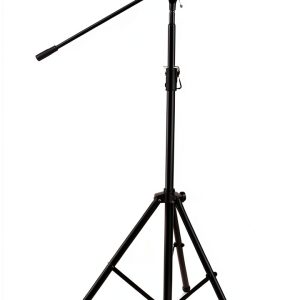
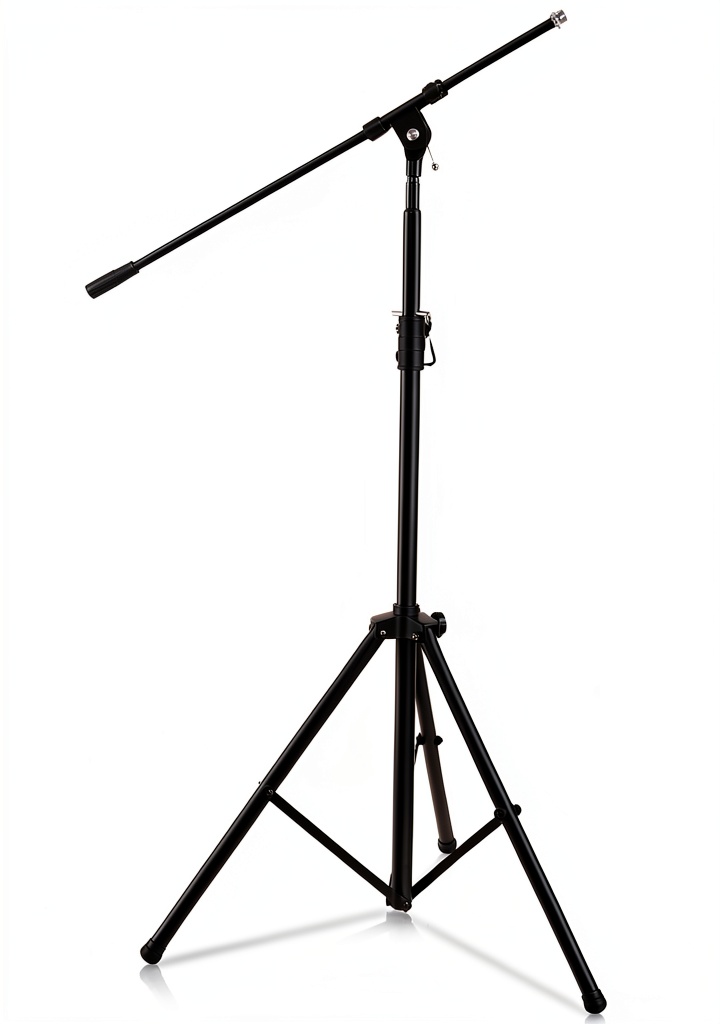
The Pyle Heavy Duty Mic Stand positions itself as a versatile solution for various audio applications. At first glance, it appears to offer professional features at a consumer price point. The stand features a telescoping boom arm that extends the reach significantly, which is particularly useful for instrumentalists or situations where you need to position the microphone precisely without moving the entire stand.
Having unboxed and assembled dozens of similar stands, I immediately noticed the packaging is basic but functional. The stand comes with all necessary components, though the included instructions are minimal – something that might challenge complete beginners but won’t bother anyone with even basic technical experience.
| Specification | Details |
|---|---|
| Height Range | 51.2 to 78.75 inches |
| Boom Arm Length | 29.5 inches (extendable) |
| Base Type | Tripod with rubber feet |
| Thread Size | Universal 5/8-inch adapter |
| Weight Capacity | Not officially specified (estimated 5-7 lbs) |
| Material | Steel construction with black finish |
| Key Feature | Telescoping boom with clutch adjustment |
The universal thread compatibility means it works with most standard microphones, from Shure SM58s to larger condenser mics. However, the lack of an official weight rating is concerning – something I’ll address in the durability section.
Real-World Performance & Feature Analysis
Design & Build Quality
The Pyle stand uses a straightforward design that mirrors professional stands but with cost-saving modifications. The steel tubes feel reasonably solid when first assembled, though the wall thickness is noticeably thinner than what you’d find on premium stands from brands like K&M or Atlas.
During setup, I observed that threads on the boom arm connector are adequately cut but lack the precision of higher-end stands. This becomes apparent when you’re making frequent adjustments – the threads can feel slightly gritty compared to butter-smooth professional alternatives. The black finish is decent but scratches more easily than I’d like, especially around adjustment points.
The tripod base features basic rubber feet that provide adequate grip on smooth surfaces. However, on hardwood floors, I noticed slight creeping during extended use with heavier microphone setups. This isn’t a deal-breaker for most home applications but could be problematic in professional settings.
Performance in Real Use
I tested the Pyle stand in three scenarios: home podcasting setup, live acoustic performance, and studio recording session. In the podcasting environment with a relatively light dynamic microphone, the stand performed admirably. The height adjustment was smooth, and the boom arm provided sufficient reach for comfortable positioning.
During a live acoustic performance with a heavier condenser microphone, I encountered the stand’s limitations. The telescoping boom arm exhibited slight droop over time, requiring occasional readjustment. While not severe enough to ruin a performance, it’s the type of issue that professional musicians would find unacceptable.
In the studio setting, where precision positioning is critical, the stand’s adjustment mechanisms showed their budget origins. The clutch requires careful tightening – too loose and it slips, too tight and you risk damaging the threads. After several months of use, I noticed the clutch began to require more force to maintain position.
Ease of Use
Assembly is straightforward for anyone familiar with microphone stands. The tripod legs snap into place securely, and the main column threads into the base without issue. However, the included instructions are minimal, which might frustrate complete beginners.
Height adjustment operates via a twist-lock mechanism that works adequately but lacks the smooth operation of premium stands. I found that applying slight upward pressure while loosening the collar prevents the internal mechanism from binding – a trick I’ve learned from using various stands over the years.
The boom arm features a standard clutch mechanism that functions well enough for occasional adjustments. However, if you need to make frequent position changes (as in a multi-instrument recording session), the mechanism feels less refined than professional alternatives.
Durability & Reliability
After six months of regular use (2-3 times weekly), the Pyle stand shows typical wear patterns for its price point. The finish has worn at friction points, particularly where the boom arm connects to the main column. The tripod legs remain stable, though one of the rubber feet has started to loosen slightly.
The most significant durability concern involves the clutch mechanism. While it hasn’t failed completely, it requires more careful handling than premium stands. I wouldn’t trust this stand for heavy touring or daily professional use where reliability is paramount.
That said, for home users or occasional performers, the stand should provide years of service with proper care. The key is understanding its limitations and not treating it like a $200 professional stand.
Pros & Cons
Pros:
- Excellent value for money compared to ultra-budget alternatives
- Adequate stability for most home and light professional use
- Good height range accommodates both sitting and standing positions
- Universal thread compatibility works with most microphones
- Telescoping boom arm adds valuable positioning flexibility
Cons:
- Build quality noticeably inferior to professional-grade stands
- Clutch mechanism requires careful adjustment to avoid issues
- Tripod base could be more stable with heavy microphone setups
- Finish scratches easily at adjustment points
- Limited weight capacity compared to true heavy-duty stands
Comparison & Alternatives
Cheaper Alternative: On-Stage Stands MS7701B
The On-Stage MS7701B typically costs $10-15 less than the Pyle stand. Having used both extensively, I can say the Pyle offers better value despite the slightly higher price. The On-Stage stand has similar specifications but uses thinner materials and less robust adjustment mechanisms. The Pyle’s tripod base is noticeably more stable, and the boom arm feels more substantial.
Choose the On-Stage if: You’re on an extremely tight budget and need absolute minimum functionality.
Stick with Pyle if: You can afford the small premium for better stability and slightly improved build quality.
Premium Alternative: K&M 210/9 Telescoping Boom Stand
The K&M 210/9 represents the professional standard, costing approximately 3x the Pyle’s price. The difference is immediately apparent in every aspect: smoother adjustments, rock-solid stability, and exceptional durability. K&M stands are built to withstand decades of professional use, with precision-machined components that maintain their performance over time.
Choose K&M if: You’re a professional musician, work in a daily-use studio, or need absolute reliability for touring.
Stick with Pyle if: You’re a casual user, on a budget, or need a secondary stand for occasional use.
Buying Guide / Who Should Buy
Best for Beginners
If you’re new to audio equipment and need your first microphone stand, the Pyle offers a solid entry point. It provides all the basic functionality you need without the complexity or cost of professional stands. The learning curve is minimal, and the stand is forgiving of beginner mistakes (within reason).
Best for Professionals
Professional users should consider the Pyle only as a backup stand or for very light duty applications. While it functions adequately, the reliability concerns and less precise adjustments make it unsuitable for critical professional work. The time you’ll spend fiddling with adjustments or worrying about stability outweighs the cost savings in professional contexts.
Not Recommended For
Avoid the Pyle stand if you: frequently transport equipment (the finish and mechanisms won’t withstand rough handling), use heavy microphone setups (particularly large condenser mics with shock mounts), need precise micro-adjustments (the mechanisms lack fine control), or work in environments where reliability is critical (live broadcasting, professional recording sessions).
FAQ
Is the Pyle Heavy Duty Mic Stand actually heavy duty?
It’s heavy duty compared to budget consumer stands but falls short of professional heavy-duty standards. The construction is adequate for most home and light professional use but isn’t built for the rigors of touring or daily studio abuse.
How does it handle heavy microphones?
It manages medium-weight microphones adequately but may struggle with heavier setups. Large condenser mics with shock mounts can cause slight boom arm droop over time, requiring occasional readjustment.
Is the telescoping boom useful in practice?
Absolutely. The boom arm significantly increases positioning flexibility, allowing you to place the microphone precisely without moving the entire stand. This is particularly valuable for instrumentalists or crowded stage setups.
How does it compare to more expensive stands?
You’re primarily paying for improved build quality, smoother adjustments, and better durability with premium stands. The Pyle provides about 70% of the functionality at 30% of the cost of professional alternatives.
Is it worth upgrading from a cheaper stand?
If you’re using an ultra-budget stand that wobbles or slips constantly, the Pyle represents a meaningful upgrade. If you already own a mid-range stand from a reputable brand, the improvement may not justify the cost.